The 20 Best Festivals in Spain: A Journey Through Spain’s Most Spectacular Celebrations
The 20 Best Festivals in Spain: A Journey Through Spain’s Most Spectacular Celebrations
Spain is a country that knows how to celebrate. From the thunderous roar of thousands of drums to the controlled chaos of tomato-throwing battles, Spanish festivals are vibrant expressions of culture, history, and pure joy. These aren’t just events—they’re immersive experiences that define the soul of the nation.
Here’s your definitive guide to the 20 most spectacular festivals in Spain, each offering a unique window into the country’s rich tapestry of traditions.
1. La Tomatina (Buñol, Valencia) – Last Wednesday of August
The world’s largest food fight transforms the small town of Buñol into a river of red pulp. Over 20,000 people hurl approximately 150,000 tomatoes at each other in an hour of glorious, messy chaos. The origins are disputed, but the fun is undeniable. Wear old clothes, protect your camera, and prepare to be covered head to toe in tomato juice.
Why Go: It’s controlled anarchy at its finest, a moment of pure, uninhibited fun that brings together people from around the globe.
2. San Fermín – Running of the Bulls (Pamplona, Navarra) – July 6-14
Made famous by Hemingway, this adrenaline-fueled festival sees brave (or foolhardy) runners sprint through narrow cobblestone streets ahead of six fighting bulls. The nine-day celebration includes concerts, fireworks, parades, and non-stop partying. Everyone wears white with a red neckerchief.
Why Go: It’s one of the most intense, electric atmospheres in the world. Even if you don’t run, the energy is addictive.
3. Fallas (Valencia) – March 12-19
Valencia explodes with color, fire, and artistry. Giant satirical sculptures (fallas) fill every neighborhood, each more elaborate than the last. The week culminates on La Cremà (the Burning), when all but one winning monument are set ablaze in a spectacular display of pyrotechnics. The noise from daily firecracker displays (mascletàs) is deafening.
Why Go: It’s art, satire, and pyromania combined into one unforgettable week.
4. Semana Santa (Holy Week) – Seville, Andalusia – March/April
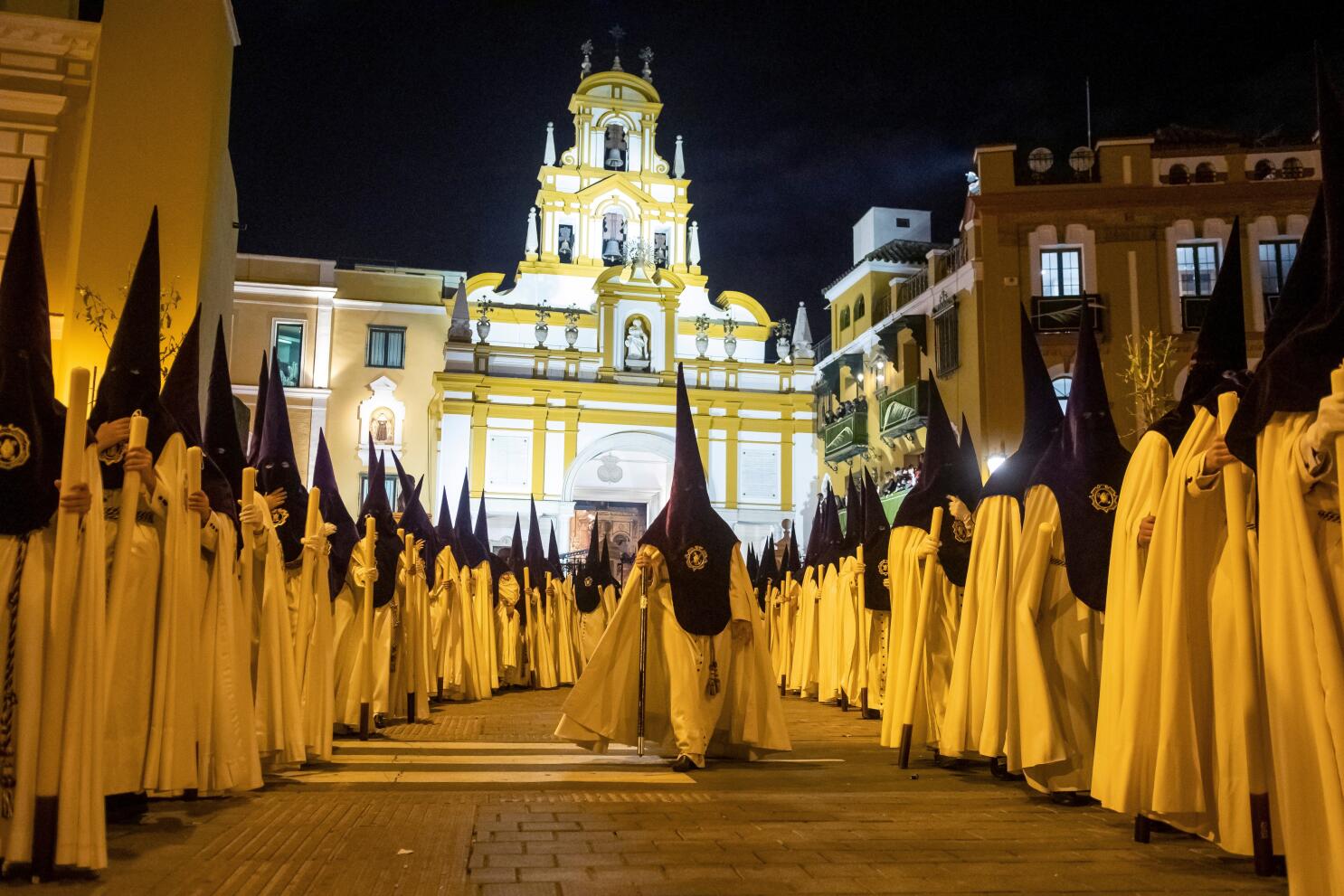
The most famous Holy Week celebration in the world. Seville’s streets become open-air theaters as ornate floats bearing religious statues are carried by hooded penitents, accompanied by brass bands. La Madrugá, the night from Thursday to Friday, is the emotional peak. The combination of incense, silence, sudden outbursts of saetas (flamenco prayers), and the rhythmic shuffle of thousands of feet creates an atmosphere unlike anything else.
Why Go: Even non-believers are moved by the raw emotion and centuries-old tradition.
5. La Feria de Abril (Seville, Andalusia) – Two weeks after Easter
Two weeks after the solemnity of Semana Santa, Seville explodes with joy. The April Fair is a week-long celebration of flamenco, sherry, and Andalusian culture. Over 1,000 casetas (decorated tents) fill the fairgrounds, where people dance sevillanas until dawn. Women wear stunning flamenco dresses, and horses parade through the streets.
Why Go: It’s Spain at its most colorful, elegant, and joyful.
6. Ruta del Tambor y el Bombo (Lower Aragón) – Holy Week
Nine villages in Aragón unite in the most thunderous celebration in Spain. Starting on Holy Thursday or Good Friday, thousands of drummers dressed in purple tunics simultaneously begin playing at «La Rompida» (the Breaking). The sound is overwhelming, visceral, almost tribal. Calanda, Híjar, and Alcañiz are the most famous locations.
Why Go: It’s a physical, primal experience. You feel the drums in your chest. UNESCO recognized it as Intangible Cultural Heritage.
7. Fiesta de San Isidro (Madrid) – May 15
Madrid’s patron saint is celebrated with concerts, parades, traditional dancing, and the opening of the bullfighting season at Las Ventas, the world’s most important bullring. Locals dress in traditional chulapo and chulapa outfits and enjoy rosquillas (sweet pastries) and lemonade in parks throughout the city.
Why Go: Experience authentic madrileño culture at its most traditional.
8. Batalla del Vino (Haro, La Rioja) – June 29
One of Spain’s most joyfully absurd traditions. Thousands of people dressed in white with red neckerchiefs climb to the Cliffs of Bilibio and drench each other with wine using every implement imaginable: water pistols, buckets, wineskins, even backpack sprayers. By the end, everyone is purple and laughing.
Why Go: It’s pure, wine-soaked fun in the heart of Rioja wine country.
9. Carnival of Santa Cruz de Tenerife (Canary Islands) – February/March
Rivaling Rio’s carnival in scale and extravagance, this two-week party features spectacular costumes, elaborate parades, drag queen galas, and non-stop street parties. The Murgas (satirical musical groups) competitions are hilarious and sharp-witted.
Why Go: It’s the wildest, most colorful party in Spain, with a distinctly Latin American flavor.
10. Carnival of Cádiz (Andalusia) – February/March
While Tenerife goes for glamour, Cádiz goes for humor. This carnival is famous for its chirigotas—satirical singing groups that perform biting social commentary disguised as comedy. The entire city becomes an open-air stage, with costumes, music, and laughter echoing through its ancient streets.
Why Go: It’s politically incorrect, brilliantly funny, and uniquely Spanish.
11. Las Hogueras de San Juan (Alicante, Valencia) – June 20-24
Similar to Valencia’s Fallas but centered around the summer solstice. Giant satirical monuments are erected throughout the city and burned in massive bonfires on the night of June 23rd. The tradition includes the Banyà (a massive beach party and midnight swim), spectacular fireworks, and endless celebrations.
Why Go: Fire, beach, midsummer magic, and Mediterranean warmth create an intoxicating atmosphere.
12. Feria del Caballo (Jerez de la Frontera, Andalusia) – May
A celebration of Andalusian horses, sherry wine, and flamenco. For a week, Jerez transforms into an equestrian paradise with horse shows, carriage parades, and prestigious competitions. The casetas serve fino sherry and tapas while people dance flamenco.
Why Go: It’s elegant, sophisticated, and showcases three of Andalusia’s greatest treasures in one place.
13. La Mercè (Barcelona, Catalonia) – September 24
Barcelona’s biggest street party honors its patron saint with four days of concerts, human towers (castellers), fire runs (correfocs), and giant puppet parades. The highlight is the spectacular pyrotechnics display synchronized to music over Montjuïc.
Why Go: It’s the best time to experience Barcelona’s vibrant street culture, and everything is free.
14. San Sebastián Day (Donostia, Basque Country) – January 20
The entire city dresses in traditional costume and marches with drums to commemorate the day San Sebastián survived a devastating fire. The Tamborrada (drum parade) lasts 24 hours straight, creating a continuous rhythmic soundtrack across the city.
Why Go: It’s infectious, uniquely Basque, and showcases the region’s fierce cultural identity.
15. Wine Battle of San Mateo (Logroño, La Rioja) – September 21
Similar to Haro’s wine battle but held during the grape harvest. Participants press grapes with their feet and engage in wine-throwing mayhem to celebrate the first fruits of the vintage. It’s messy, joyful, and deeply connected to Rioja’s winemaking heritage.
Why Go: Experience wine culture at its most playful and participatory.
16. Fiesta del Cerezo en Flor (Valle del Jerte, Extremadura) – Late March/Early April
More than a million cherry trees burst into white blossom, transforming the valley into a sea of flowers. This two-week celebration includes guided hikes through the blossoms, local food markets, tastings of cherry products, and outdoor concerts.
Why Go: It’s nature’s most spectacular show in Spain, a celebration of spring’s arrival.
17. Mysteries of Elche (Elche, Valencia) – August 14-15
A medieval sacred musical drama performed entirely inside the Basilica of Santa María. Dating from the 15th century, it’s one of the oldest living theatrical traditions in Europe and a UNESCO Masterpiece of the Oral and Intangible Heritage of Humanity. The performance includes elaborate flying angels and centuries-old music.
Why Go: It’s a living piece of medieval Europe, unchanged for over 500 years.
18. Bienal de Flamenco (Seville, Andalusia) – September (Even Years)
Every two years, Seville becomes the epicenter of flamenco. The world’s greatest flamenco artists gather for performances that range from intimate recitals to grand theatrical productions. It’s an immersion into the deepest, most authentic flamenco you’ll ever experience.
Why Go: See flamenco performed by masters at the height of their powers in its spiritual home.
19. Fiesta de la Vendimia (Wine Harvest Festival) – Rioja Region, September
The grape harvest is celebrated throughout La Rioja with traditional grape-stomping, wine blessings, processions, and open-air tastings. Logroño’s celebration includes the offering of the first grape must to the Virgin of Valvanera.
Why Go: Experience the culmination of the wine year in Spain’s most famous wine region.
20. Los Indianos (Santa Cruz de La Palma, Canary Islands) – Monday of Carnival
The most surreal carnival celebration in Spain. Everyone dresses entirely in white and throws talcum powder at each other for hours, creating white clouds that blanket the streets. It commemorates the return of wealthy emigrants from the Americas (the «Indianos»).
Why Go: It’s visually stunning, wonderfully absurd, and you’ll leave looking like a ghost.